
Core Strength Made Simple: Exercises for Every Fitness Level
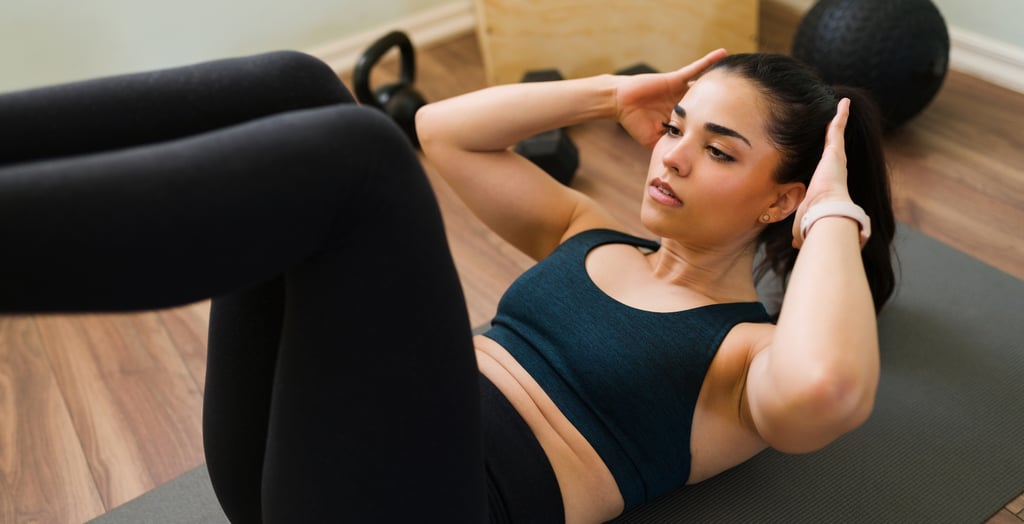

A strong core is more than just toned abs—it’s the foundation of good posture, balance, and movement. Whether you’re lifting groceries, sitting at your desk, or running a marathon, your core muscles keep you stable and supported. The good news? Building a strong core doesn’t have to be complicated. With a few targeted exercises, you can gradually strengthen these essential muscles—no matter your fitness level.
Why Core Strength Matters
Your core isn’t just your abdominal muscles—it includes your back, hips, and pelvis too. These muscles work together to stabilize the spine and pelvis, making daily movements easier and protecting you from injuries.
Research shows that a strong core enhances functional fitness, reduces back pain, and improves overall athletic performance (Behm et al., 2010). In short, your core powers almost everything you do.
Beginner Level: Build Your Foundation
If you’re new to exercise or returning after a break, start slow. Focus on form and control over speed or repetitions.
Pelvic Tilts
Lie on your back with knees bent and feet flat on the floor. Flatten your lower back against the mat by tightening your abs and tilting your pelvis upward slightly.
Do 10–12 reps.
Benefit: Strengthens deep abdominal muscles and improves pelvic stability.
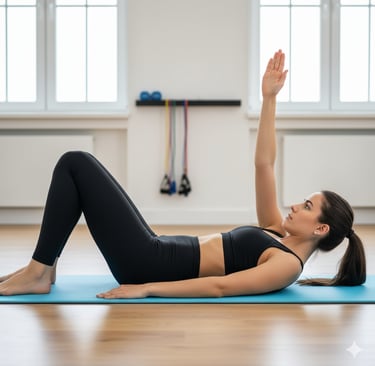
Dead Bug
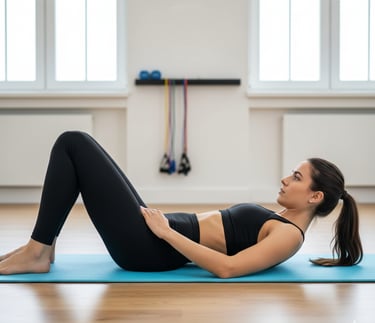
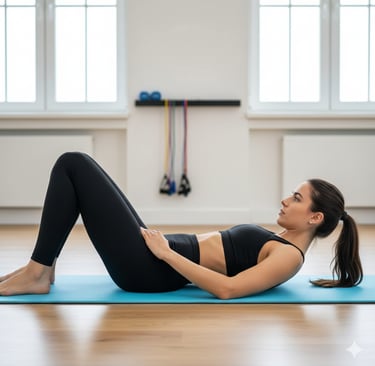
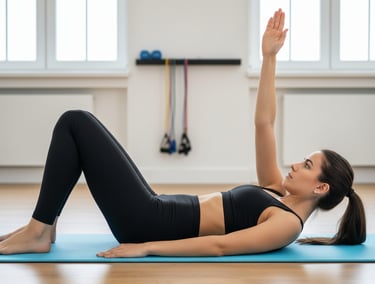
Lie flat, arms extended toward the ceiling, knees bent at 90 degrees. Lower one arm and the opposite leg toward the floor, then return to start. Alternate sides.
Do 8–10 reps each side.
Benefit: Activates your entire core without straining the back.
Modified Plank (on Knees)
Start on forearms and knees, maintaining a straight line from shoulders to knees. Hold for 20–30 seconds.
Benefit: Builds endurance in the core and improves posture.
Intermediate Level: Engage and Challenge
Once you’ve built basic stability, add dynamic moves that target multiple muscle groups.
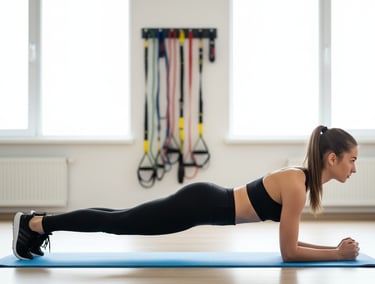
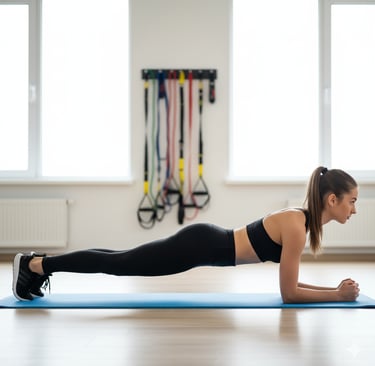
Forearm Plank
Place your forearms on the ground, legs extended, and hold your body in a straight line.
Hold 30–45 seconds.
Benefit: Strengthens abs, glutes, shoulders, and back.
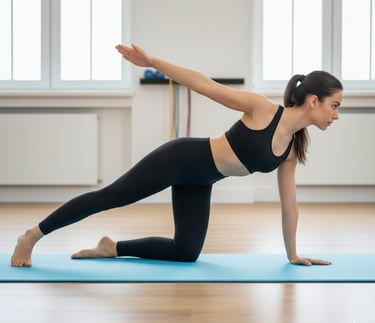
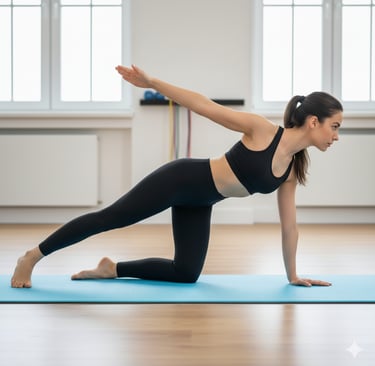
Bird Dog
Start on all fours. Extend one arm and the opposite leg, keeping your spine neutral. Pause, then switch sides.
Do 10 reps each side.
Benefit: Improves balance and cross-body coordination.
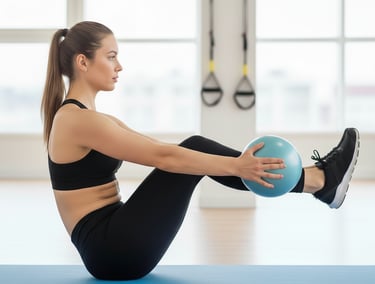
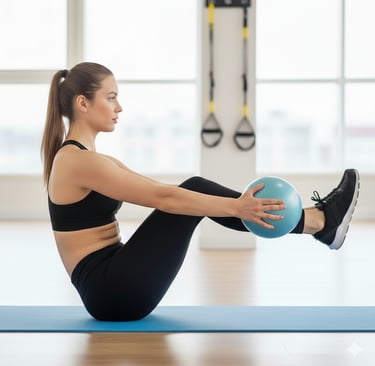
Russian Twists
Sit with knees bent and lean back slightly. Twist your torso side to side, touching the floor with your hands.
Do 12–15 reps each side.
Benefit: Strengthens obliques and improves rotational strength.
Advanced Level: Power and Precision
For those with a solid foundation, these moves add intensity and coordination.
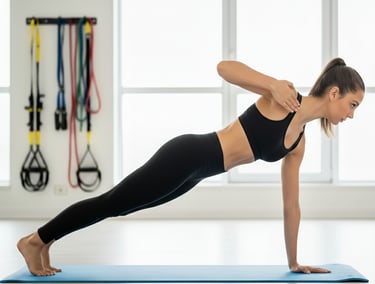
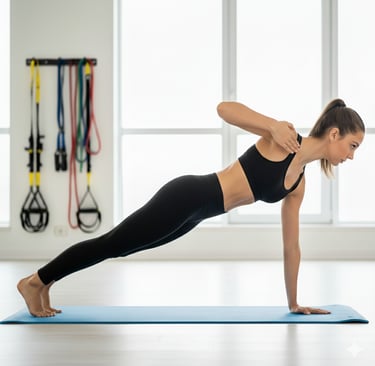
Plank with Shoulder Tap
Start in a high plank and alternate tapping each shoulder while keeping your hips steady.
Do 12–15 reps per side.
Benefit: Improves stability, balance, and control.
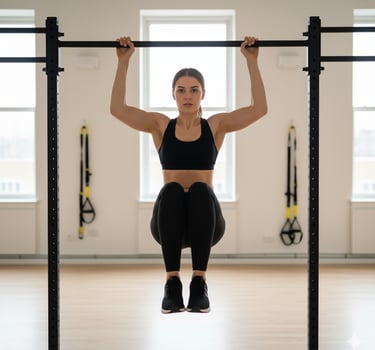
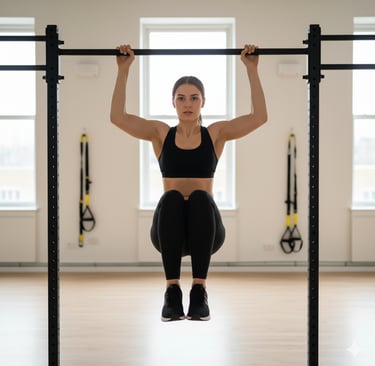
Hanging Leg Raise
Hang from a pull-up bar, engage your abs, and lift your legs to a 90-degree angle.
Do 8–12 reps.
Benefit: Builds core endurance and lower ab strength.
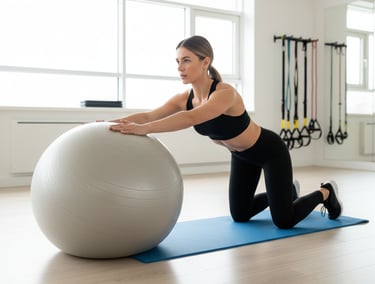
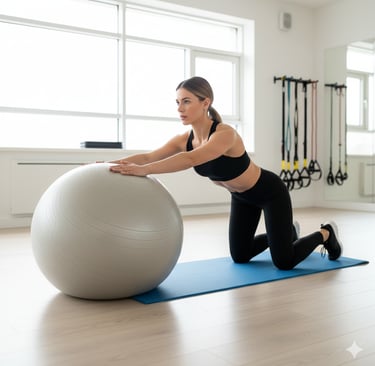
Stability Ball Rollout
Kneel with forearms on a stability ball. Roll it forward, keeping your spine neutral, then pull back.
Do 10–12 reps.
Benefit: Challenges core control and engages deep stabilizers.
Tips for Success
Prioritize form over speed: Poor form can strain your lower back.
Breathe properly: Exhale during exertion to engage your core effectively.
Progress gradually: Increase duration or repetitions every 2–3 weeks.
Add variety: Mix static holds with dynamic movements for balanced strength.
The Takeaway
Core training doesn’t require fancy equipment or hours at the gym. Whether you’re a beginner or an athlete, consistency and mindful movement are key. Strong core muscles enhance not just your fitness but your confidence, posture, and resilience in daily life.